Yeading Park Carpet and Rug Cleaning for Tough Stains: A Practical Guide for Real Homes
Spilled red wine on a pale rug? Mud tracked in after a wet walk through Yeading Park? Or maybe a pet accident that seemed small at first and then, somehow, became a smell you cannot ignore. That is exactly where Yeading Park carpet and rug cleaning for tough stains matters. The right approach can rescue fibres, lift deep marks, and stop a stain from becoming permanent. It can also save you from the common mistake of making things worse with too much water, the wrong detergent, or a bit of enthusiastic scrubbing that leaves a patch looking tired and flat.
This guide walks through what tough-stain cleaning involves, why it is different from routine vacuuming, how professionals typically approach problem marks, and how to decide when a specialist service is the sensible next step. You will also find a comparison table, a checklist, and a realistic example, because let's face it - most people want the stain gone, not a lecture.
- Why tough-stain carpet and rug cleaning matters
- How the cleaning process works
- Key benefits and practical advantages
- Who needs this service and when
- Step-by-step guidance
- Expert tips for better results
- Common mistakes to avoid
- Tools, resources and recommendations
- Law, compliance, standards and best practice
- Options and method comparison
- Case study or real-world example
- Practical checklist
- Conclusion
- Frequently asked questions
Quick takeaway: stubborn stains respond best when you match the cleaning method to the stain type, the fibre type, and how long the mark has been there. That sounds obvious, but in practice it is where most DIY attempts go off the rails.
Why Yeading Park carpet and rug cleaning for tough stains Matters
Tough stains are not just cosmetic. They change the feel of a room. A bright living space can start to look dull if one patch of carpet has a greasy print, a tea ring, or a dark pet mark near the skirting. Rugs often show damage even faster because they sit in focal points, under coffee tables, by sofas, or right in the middle of the room where everyone walks.
In Yeading Park homes, the usual culprits are pretty familiar: food and drink spills, winter mud, pet accidents, oil-based marks from cosmetics or cooking, and dye transfer from clothing or furnishings. Some stains look harmless at first and then oxidise or set deeper over time. Others are hidden by pile texture, so you only really notice them when the light changes in the afternoon.
It matters because a stain often behaves differently once it is dry. A fresh spill may still be loose at the surface. A set stain can bind to fibres, backing, or underlay, and that is a different job entirely. Rugs complicate things further. Natural-fibre rugs, wool blends, viscose, and handwoven pieces all need a more cautious touch than a standard synthetic carpet.
There is also a practical side. If you have children, pets, or a busy household, you do not always have time to try five different home remedies. You need a reliable way to assess the stain, reduce the risk of spreading it, and get the area back to normal without leaving a wet patch that smells like detergent for two days. Truth be told, that lingering damp smell is often the part people hate most.
If you are comparing services, it can help to understand the broader support available too. For instance, a full carpet cleaning service is useful for all-round refreshes, while rug cleaning is more specific when the problem is concentrated in a decorative piece rather than wall-to-wall flooring.
How Yeading Park carpet and rug cleaning for tough stains Works
There is no single "magic cleaner" that works on every stain, and anyone who says there is probably has a bottle to sell you. Effective stain removal usually starts with assessment, not scrubbing. A professional will typically look at three things first: the stain source, the fibre type, and whether the item can tolerate moisture, heat, or agitation.
1. Identify the stain
Some stains are water-based, such as juice or coffee. Others are protein-based, such as milk, vomit, or pet accidents. Grease, oil, and makeup need a different tactic again. A dye-based stain from sauce or coloured drinks may need careful treatment to avoid spreading the colour around the pile.
2. Test the fibre
Carpet and rug fibres react differently. Synthetic fibres often tolerate stronger cleaning action, while wool and delicate rugs need gentler products and controlled moisture. If the rug has a latex backing or a sensitive weave, over-wetting can cause distortion. That is the sort of thing you do not notice until the rug dries and looks slightly wavy. Annoying, really.
3. Pre-treat the mark
Stain-specific pre-treatment helps loosen residue before the main clean. This stage is where a lot of the improvement happens, especially on older stains that have had time to settle. The goal is to break down the bond between the stain and the fibre, not to flood the area.
4. Use the right cleaning method
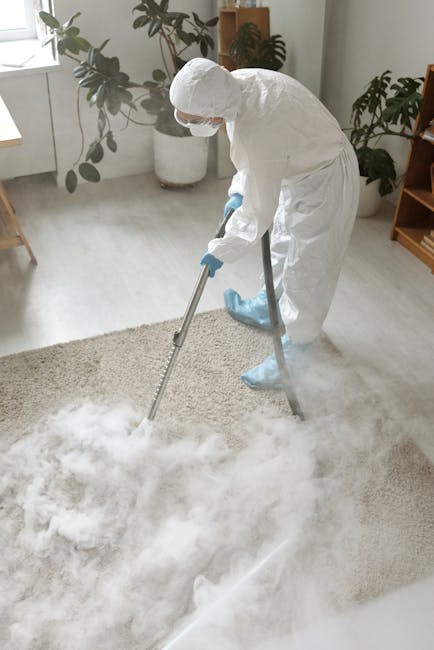
Depending on the surface and stain, the method may include spot extraction, low-moisture cleaning, controlled steam cleaning, or a more targeted stain-removal approach. If the whole carpet is affected as well as the stain, a broader clean can make the patch blend back in far better. For heavily soiled areas, steam carpet cleaning can be a strong option when used correctly and with the right drying plan.
5. Rinse, extract, and dry properly
The rinse stage matters more than people think. Leftover cleaner can attract new dirt, and that means the treated area can re-soil faster than the rest of the carpet. Good extraction and drying reduce that risk and help restore the feel underfoot. A rug should dry flat, evenly, and without lingering odour.
Important distinction: cleaning and stain removal are related, but they are not the same thing. A carpet can look cleaner overall while still keeping one stubborn mark. Likewise, a stain may fade well even if the surrounding traffic area still looks tired. That is why specialists often pair targeted treatment with broader fibre cleaning.
Key Benefits and Practical Advantages
Tough-stain cleaning is about more than appearance. When done properly, it protects the item and gives you a better chance of restoring the original texture and colour balance. Here are the main advantages.
- Better stain removal outcomes: targeted treatment is usually more effective than generic home remedies.
- Reduced fibre damage: the right process limits wear, colour bleed, and pile distortion.
- Improved hygiene: food, drink, and pet-related stains can carry residue that should not just be left to sit there.
- Less risk of spreading the stain: careful extraction helps stop the mark from travelling deeper or wider.
- Odour control: especially important for pet accidents and older spills.
- Longer life for rugs and carpets: maintaining fibres properly helps preserve the look and feel of the item.
A small but useful benefit: the room feels better. Not just visually cleaner - better. You notice it when you walk in from the hall and the floor no longer draws your eye for the wrong reason.
If the issue is part of a wider home-cleaning job, you might also consider upholstery cleaning or sofa cleaning, because stains rarely stay politely in one place. They tend to travel through family life like they own the place.
Who This Is For and When It Makes Sense
This kind of cleaning makes sense for anyone who has a stain that is too visible, too old, or too risky to tackle casually. But some situations come up again and again.
- Homeowners and tenants: especially before a move, inspection, or family gathering.
- Pet owners: for urine marks, odour, and repeated accidents.
- Families with children: because spills happen, often in the nicest room, naturally.
- People with delicate rugs: where the cost of a wrong move can be high.
- Rental properties and landlords: when a single stain is affecting presentation.
- Busy households: when time is short and the stain is spreading in the fibres.
It makes sense to get help when a stain has any of these traits: it is older than a day or two, it has already been scrubbed, it smells, it has changed colour after drying, or it is on a valuable rug. Those are the moments when home treatment becomes a bit of a gamble.
For pet-related problems specifically, a dedicated pet stain and odour removal service can be more appropriate than general cleaning. Pet issues often involve both visible marking and deeper contamination, which is why the smell can linger even when the surface looks okay.
Step-by-Step Guidance
If you are trying to deal with a stain yourself first, the best approach is calm and methodical. Rushing usually makes the patch larger, and nobody wants that slightly panicked "why is the circle getting bigger?" moment.
- Blot, do not rub. Use a clean white cloth or paper towel and lift as much as possible from the surface.
- Check the fibre and colour sensitivity. If the rug is delicate, patterned, or natural fibre, stop and be cautious.
- Use a very small amount of suitable cleaner. Apply lightly to a cloth first, not directly to the pile, unless the product instructions clearly say otherwise.
- Work from the outside in. This helps prevent spreading the stain.
- Lift residue thoroughly. Leftover cleaning product can attract dirt later.
- Dry with airflow. Open a window if practical, use a fan, and avoid stepping on the area while damp.
- Repeat only if appropriate. If the stain is already stubborn, repeated aggressive treatment can cause damage.
If a stain does not lift after one or two careful attempts, pause. That is usually the point where a professional method becomes smarter than another round of DIY experimentation. Not glamorous, but sensible.
For rugs in particular, a specialist rug cleaning process is often preferable because rug construction varies so much. A flatweave piece, a wool runner, and a thick pile rug do not respond the same way at all.
Expert Tips for Better Results
There are a few habits that make a real difference. They are simple, but they save a lot of trouble later.
- Treat the stain early. Fresh spills are far easier to manage than dried marks.
- Always test first. Even a mild cleaner can affect dye or texture.
- Use white cloths. Coloured towels can transfer dye in damp conditions.
- Avoid heat on unknown stains. Heat can set proteins and some dyes permanently.
- Keep cleaning strokes gentle. Heavy scrubbing flattens pile and can damage fibres.
- Dry properly before replacing furniture. A damp patch under a chair leg can create a new problem, awkwardly enough.
- Consider the whole room. If the rest of the carpet is heavily trafficked, a spot clean alone can look patchy.
One practical tip many people overlook: always note what the stain was before you started. If the mark is barely visible, you will still want to know whether it was coffee, wine, or pet-related. That matters if the stain returns after drying, which does happen sometimes.
If you are trying to keep the whole home looking cared for, support services such as stain removal and general carpet cleaning can work hand in hand. One deals with the incident. The other restores the rest of the surface so everything matches.
Common Mistakes to Avoid
This is where a lot of good intentions go wrong. The classic mistakes are well known for a reason.
- Rubbing aggressively: this pushes the stain deeper and can damage fibres.
- Using too much water: over-wetting can spread the mark, damage backing, or extend drying time.
- Trying random products one after another: some combinations are messy, and not in a fun way.
- Ignoring fibre type: wool, viscose, synthetics, and mixed fibres all behave differently.
- Leaving residue behind: cleaner left in the carpet attracts dirt.
- Using heat too soon: this can set protein stains and make them harder to remove.
- Forgetting odour at the backing level: the top may look better while the smell remains underneath.
Another common issue is tackling a rug without thinking about where it came from or what it is made of. A handwoven rug may need a much gentler process than a machine-made one. If you are unsure, that is not a failure. It is a sign to slow down.
Tools, Resources and Recommendations
You do not need a garage full of equipment to deal with stains properly, but the right tools help. For simple spill response, keep a small kit ready. It makes a difference when a cup tips over and everyone suddenly goes quiet for a second.
Useful household tools
- white absorbent cloths
- paper towels
- a soft brush with gentle bristles
- clean lukewarm water
- low-residue cleaning product suitable for carpets or rugs
- a fan or good airflow for drying
When to bring in specialist help
- when the stain is old or already set
- when the rug is valuable or delicate
- when there is a pet smell as well as a visible mark
- when the stain has changed colour after drying
- when you have already tried treatment and the result is uneven
It can also help to compare a few service types before deciding. A targeted stain clean is different from a broader refresh, and the best choice depends on the floor covering and how much of the room is affected. If you want a deeper clean across larger spaces, steam cleaning may be suitable. If the issue is more limited or the fibres are delicate, a more focused method is often better.
For homes where multiple soft furnishings need attention, it may be efficient to combine services such as curtain cleaning, mattress cleaning, or upholstery cleaning. That is not always necessary, of course, but it is worth considering if the room overall is starting to look tired.
Law, Compliance, Standards and Best Practice
For domestic carpet and rug cleaning, the main concerns are safety, product suitability, and responsible handling rather than formal regulation in the way you would see in some trades. That said, good practice still matters. Reputable cleaning work should follow sensible health and safety habits, use products according to instructions, and avoid creating slip hazards, electrical risks, or unnecessary exposure to damp and fumes.
In a UK context, it is normal to expect cleaners to work in line with clear safety procedures, sensible insurance arrangements, and transparent service terms. If you are hiring someone to work in your home, you should feel comfortable asking how they handle delicate materials, drying times, and liability if something unexpected happens. That is not being difficult. It is just sensible.
For business settings, the expectations are a bit higher. Commercial properties often need documented cleaning plans, safer working practices around occupied premises, and less disruption to staff or visitors. If you are dealing with a workplace rather than a home, commercial carpet cleaning can be the more relevant route.
You can also look for reassurance in the provider's published policies. Pages such as health and safety policy, insurance and safety, payment and security, and terms and conditions help show how a company handles risk, payments, and customer expectations. It is not flashy, but it builds trust.
Options, Methods, or Comparison Table
Different stains and surfaces respond better to different methods. The table below gives a simple comparison, not a rigid rulebook. Real-world jobs can overlap quite a bit.
| Method | Best for | Strengths | Watch-outs |
|---|---|---|---|
| Spot treatment | Fresh, small stains | Fast, targeted, low disruption | May not fully remove set or deep stains |
| Low-moisture cleaning | Delicate rugs or rooms needing quicker drying | Controlled water use, less saturation | Not always enough for heavy soiling |
| Steam carpet cleaning | General deep clean and embedded dirt | Strong for whole-room refresh and stubborn residue | Needs good drying and suitable fibre tolerance |
| Specialist stain removal | Wine, pet, dye, makeup, food oils | Custom approach based on stain chemistry | May require careful testing and repeat treatment |
| Rug-specific cleaning | Decorative, valuable, or fragile rugs | Tailored handling and reduced damage risk | More complex if the rug has mixed fibres or backing issues |
In practice, the best result often comes from combining methods. A stain may need pre-treatment, careful extraction, and then a broader clean around it so the repaired patch does not stand out. That blending step is small, but it matters a lot.
Case Study or Real-World Example
Here is a realistic example. A family in Yeading Park notices a dark tea mark on a light wool-blend rug in the sitting room. At first, the stain seems manageable. They blot it with kitchen towel, then try a supermarket spray. The edge of the stain fades a little, but the centre remains visible, and the patch becomes slightly stiff once dry.
That is a common sequence, by the way. Very common.
Rather than keep applying more product, the better approach is to stop, identify the fibre, and treat the mark more carefully. A stain-specific pre-treatment can loosen the tea residue. Controlled extraction helps remove it without over-wetting the backing. If the surrounding rug is generally dusty from foot traffic, a broader clean helps the patch blend in once dry. In many cases, the result is not just "the stain reduced" but "the rug looks right again", which is the real goal.
Now imagine the same scenario on a synthetic hallway carpet with dried mud and a small drink spill. The method might be a bit firmer, but still measured. A specialist can safely work on the stubborn residue without roughing up the pile. Different problem, different fix. Simple enough in theory, trickier at the moment of panic.
Practical Checklist
Use this checklist before, during, or after stain treatment. It keeps things calm.
- Identify what caused the stain, if possible.
- Check whether the carpet or rug is synthetic, wool, or delicate fibre.
- Blot gently with a clean white cloth.
- Avoid aggressive scrubbing.
- Test any product in an inconspicuous spot first.
- Do not over-wet the area.
- Work from the outside edge inward.
- Remove residue fully after treatment.
- Allow proper drying with airflow.
- Inspect the stain again once fully dry.
- Escalate to specialist help if the mark remains, spreads, or smells.
If the problem involves stubborn staining across several soft furnishings, you may want to think beyond the floor. Services like sofa cleaning or curtain cleaning can help bring the room back into balance so one newly clean rug does not sit awkwardly against everything else.
Conclusion
Tough stains do not automatically mean a carpet or rug is ruined. More often, they mean the item needs the right method, the right timing, and a bit more care than a quick scrub from a spray bottle. The main thing is to act thoughtfully, not frantically.
For Yeading Park homes, the smartest approach to carpet and rug stain care is to match the cleaning method to the fibre and the stain type, avoid common DIY mistakes, and bring in specialist help when the mark is old, delicate, or stubborn. That is how you protect the look of the room and the life of the flooring at the same time.
If you are weighing up whether to clean the stain yourself or get help, trust the evidence in front of you: colour transfer, odour, fibre type, and how long the stain has been there. Sometimes a careful home treatment is enough. Sometimes it is not. Either way, a proper plan beats guesswork.
Get a free quote today and see how much you can save.
Frequently Asked Questions
What counts as a tough stain on a carpet or rug?
A tough stain is usually one that has dried in, changed colour, spread into the pile, or resisted normal blotting. Pet accidents, red wine, coffee, grease, and dye transfer are common examples. Rugs with delicate fibres can also make a stain harder to treat because you have to be more cautious.
Is it better to clean a stain straight away or wait until later?
Straight away is almost always better. Fresh spills are easier to lift before they bond with the fibre. Waiting often gives the stain time to set, and in some cases it also makes the smell worse. If you cannot deal with it immediately, blot the area and keep it dry until you can.
Can I use the same method on carpets and rugs?
Not always. Wall-to-wall carpet is often more forgiving than a decorative rug, especially if the rug is wool, viscose, handmade, or has a delicate backing. Rugs need a more careful assessment because they can shrink, bleed colour, or distort if over-treated.
Why does a stain sometimes reappear after cleaning?
That often happens when residue is left deeper in the fibres or backing. As the area dries, the stain can wick back to the surface. It can also happen if too much cleaning product was used. Proper extraction and rinsing help reduce this risk.
Will steam cleaning remove every stain?
No single method removes every stain. Steam cleaning can be very effective for overall dirt and some stubborn marks, but certain dye, grease, or pet-related stains may need targeted treatment first. The best results often come from combining methods.
How do I know if my rug is too delicate for DIY cleaning?
If the rug is wool, silk-like, handmade, antique, or has a bright dye pattern that could bleed, it is wise to be cautious. If you are unsure what the fibre is, or if the rug has sentimental or financial value, getting expert help is usually the safer choice.
What should I do if the stain smells even after it looks clean?
That usually means the source has gone deeper than the visible surface. Pet stains are especially known for this. In that case, a specific odour-focused treatment is better than repeating the same surface clean.
How long does drying usually take after carpet or rug cleaning?
It depends on the fibre, method used, airflow, humidity, and how much liquid was applied. A well-controlled clean should dry faster than a heavily soaked one. Good ventilation helps a lot, and rugs should be left flat where possible.
Can cleaning make the stain worse?
Yes, if the wrong product or too much water is used. Scrubbing can spread the mark, alter the pile, or cause colour loss. That is why testing and gentle application are so important. Careful is boring, but it works.
Should I clean just the stain or the whole carpet too?
If the rest of the carpet is fairly clean, a spot treatment may be enough. If the surrounding area is dull or heavily trafficked, a broader clean can help the treated area blend in. Otherwise the patch may still stand out even after the stain fades.
Are commercial carpets treated differently from home carpets?
Often yes. Commercial spaces usually have heavier foot traffic, tighter schedules, and stricter expectations around disruption and drying time. That is why a business setting may benefit from a more structured cleaning plan.
What is the safest first step if I spill something on a rug?
Blot it gently with a clean white cloth and avoid rubbing. Then work out what the stain is, if you can, before applying anything else. That one pause can save a lot of trouble later.
If you would like to learn more about the people behind the service, you can also read the about us page, or review the company's published recycling and sustainability approach for an idea of how it handles materials and waste responsibly.
And if you are ready to talk through a stain that just will not behave, the next step is simple: ask for help before the mark settles in for good. That small decision can save the rug, and maybe your mood for the weekend too.