Yeading Lane carpet cleaning guide for terraced homes
If you live in a terraced home on or near Yeading Lane, carpet cleaning can feel a bit more fiddly than it does in a larger, open-plan house. Narrow hallways, staircases that seem to turn on a sixpence, and limited drying space all change the job. This Yeading Lane carpet cleaning guide for terraced homes is built to help with exactly that. It explains what matters, how carpet cleaning works in these properties, what to avoid, and how to get a fresher result without turning the whole house upside down.
Terraced homes often collect more tracked-in soil than people expect. You open the front door, step into a busy hallway, and the carpet quietly takes the hit every single day. Add pets, children, winter damp, or a neighbour's shared entrance habits, and suddenly the carpet needs more than a quick vacuum. Let's be honest, nobody enjoys lifting furniture at 8pm because the hallway looks tired. The good news is that with the right approach, even a compact terraced property can get a proper deep clean, sensible drying, and results that last.
If you are comparing professional options, it can help to look at the wider service detail on the site, including carpet cleaning services, steam carpet cleaning, and related care such as stain removal or pet stain and odour removal.
Table of Contents
- Why Yeading Lane carpet cleaning guide for terraced homes matters
- How Yeading Lane carpet cleaning guide for terraced homes works
- Key benefits and practical advantages
- Who this is for and when it makes sense
- Step-by-step guidance
- Expert tips for better results
- Common mistakes to avoid
- Tools, resources and recommendations
- Law, compliance, standards, or best practice
- Options, methods, or comparison table
- Case study or real-world example
- Practical checklist
- Conclusion
- Frequently asked questions
Why Yeading Lane carpet cleaning guide for terraced homes matters
Terraced homes create a very specific carpet-cleaning challenge. The layout is usually narrower, movement through the property is tighter, and everyday dirt tends to concentrate in the exact same places. Hallways, stairs, and living rooms often take the brunt of the traffic. If you have a front room that opens straight into the rest of the house, it can feel like the same dirt path gets walked over again and again. That is why a terrace-specific approach matters.
On Yeading Lane, many homes are likely to deal with the usual London mix of road dust, damp footwear, muddy soles after rain, and bits of debris that cling to carpet fibres. You do not need a dramatic spill to end up with tired-looking carpet. Often it is just gradual dulling. The colour still exists; it is simply buried under residue and compressed fibres. A proper clean can bring the pile back up, but the method and timing matter.
There is also a practical reason. Terraced homes often have less storage space for equipment, fewer places to leave furniture while carpets dry, and less airflow if windows only open on one side. That means drying strategy is just as important as cleaning itself. In our experience, the best results come from treating the whole job as a sequence, not just a wash-and-walk-away service.
Expert summary: For terraced homes, carpet cleaning is not only about removing visible marks. It is about managing access, airflow, drying time, furniture movement, and the kind of soil that settles in narrow, busy living spaces.
How Yeading Lane carpet cleaning guide for terraced homes works
The cleaning process usually starts with inspection. A professional will look at the carpet fibre type, the level of wear, the age of any stains, and whether there are signs of pet damage, grease, or ingrained soil. This matters because not every carpet should be cleaned the same way. Wool, synthetic blends, loop pile, and cut pile each behave differently under heat, moisture, and agitation.
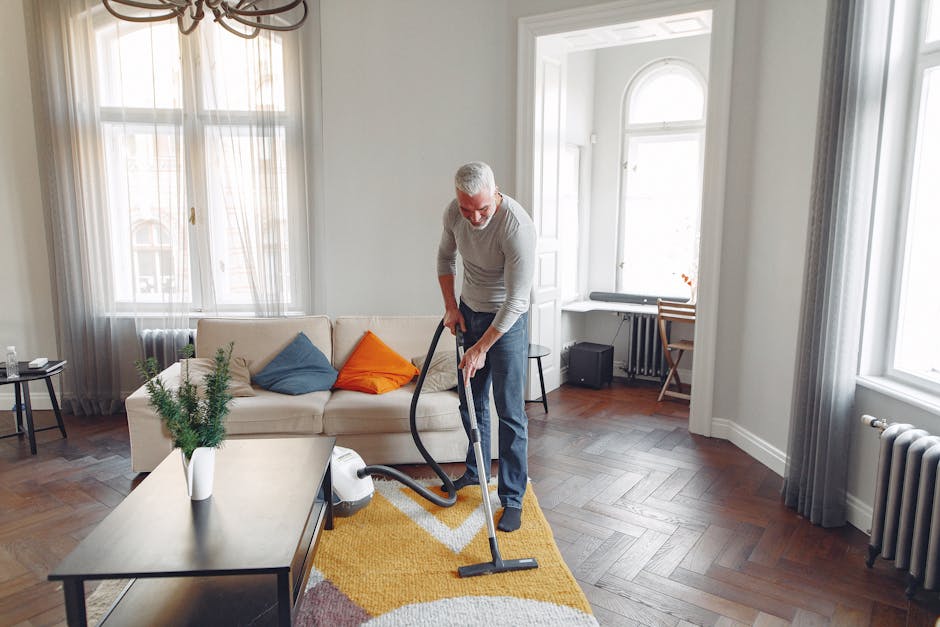
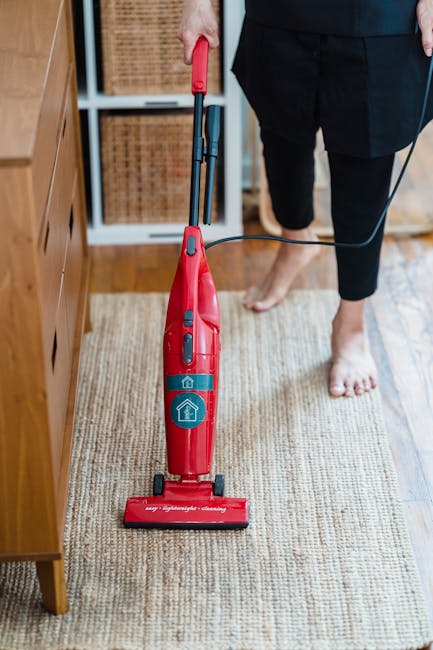
Next comes dry soil removal. It sounds basic, but it is one of the most important stages. If loose grit is left behind, wet cleaning can turn it into a muddy slurry inside the fibres. That is how carpets can look clean for a day and then feel a bit rough again later. A good vacuuming pass, especially on stairs and high-traffic edges, lays the groundwork.
After that, the actual wash is selected. For many terraced homes, hot water extraction or steam carpet cleaning is a common option because it can reach deeper into the pile. However, a suitable low-moisture method may be better in some rooms, especially if drying time is limited or ventilation is poor. Spot treatment may also be used for isolated marks before the main clean. The aim is not to flood the carpet. It is to clean it thoroughly while keeping moisture under control.
Finally, the carpet is groomed and left to dry with as much airflow as possible. Grooming lifts the pile and helps the fibres dry more evenly. In a terraced property, that can make a real difference because you may not have the luxury of opening every window wide on a cold afternoon. A small fan, open internal doors, and a sensible no-shoes rule help more than people realise.
Key benefits and practical advantages
A well-planned carpet clean does more than make the room look nicer. In a terraced home, where every room tends to feel connected to the next, the benefits stack up quickly.
- Better appearance: carpets usually look brighter, flatter, and less patchy after a proper clean.
- Improved feel underfoot: grit and residue make carpet feel rough. Removing them changes the whole room.
- Odour reduction: everyday smells, pet scent, and stale traffic dirt become less noticeable.
- Longer carpet life: regular soil removal can reduce premature wear in hallways and stairs.
- More comfortable home environment: the whole property tends to feel fresher, not just the cleaned room.
- Better preparation for guests, moving out, or seasonal refreshes: a clean carpet makes a strong first impression.
One overlooked benefit is calm. A clean hallway or living room can make a small terrace feel less cluttered, even before you change anything else. Sounds odd, maybe, but it is true. The house just breathes better.
Who this is for and when it makes sense
This guide is for homeowners, tenants, landlords, and anyone managing a terraced property where carpets take a lot of daily wear. It is especially useful if your home has a narrow front entrance, a central staircase, or rooms that double as circulation space. In those houses, carpets rarely get a chance to rest.
It makes sense to arrange a proper clean when you notice one or more of these signs:
- traffic lanes are visibly darker than the rest of the carpet
- stair treads look flattened or dull
- a spill has left a mark that regular spot cleaning has not shifted
- pet odours linger after vacuuming
- the carpet looks clean right after hoovering, but not truly fresh
- you are preparing for guests, a tenancy change, or a home sale
If your carpet has a stubborn mark that keeps returning, the issue may be residue wicked up from below the pile. That is one of those annoying little household mysteries that seems to vanish after a proper treatment. Not glamorous, but very real.
For customers who also need other soft-furnishing care in the same visit, it can be sensible to combine the work with sofa cleaning, upholstery cleaning, or rug cleaning. That can save time and create a more consistent finish through the house.
Step-by-step guidance
Here is the cleanest way to approach carpet cleaning in a terraced home without turning the day into chaos.
- Clear the room properly. Move small furniture, baskets, toys, and anything fragile. Leave only the items you are happy for the cleaner to work around.
- Vacuum thoroughly. Focus on skirting edges, stairs, corners, and around doorways. That is where dust and grit hide.
- Identify problem areas. Make a quick note of stains, odours, food marks, pet patches, and heavily used walkways.
- Check fibre and backing concerns. If the carpet is delicate, worn, or glued down, avoid aggressive wetting.
- Pre-treat stains. Use the correct stain approach rather than random scrubbing. A dab-and-lift method is usually safer than rubbing.
- Clean with the right method. Choose steam cleaning, hot water extraction, or a low-moisture method based on the room and drying space.
- Allow proper drying. Open windows where possible, keep the air moving, and avoid placing heavy furniture back too soon.
- Groom and inspect. Once the carpet has been cleaned, check edges, thresholds, and stairs for any spots that need a second look.
If you are doing the work yourself, test any cleaning product on a hidden patch first. Always. A tiny test on the back of a cupboard-facing edge can save a very expensive headache. To be fair, carpets can be more sensitive than they look.
Room-by-room priorities in terraced homes
Hallways and stairs come first in most terraces because they receive the most wear. The living room usually comes next, especially if it is the route through to the kitchen or rear rooms. Bedrooms often show less soil but may still need attention around bed edges and wardrobe access points. If a room is rarely used, it may still benefit from dust removal rather than full wet cleaning.
When space is tight, try cleaning one area at a time so furniture can be moved logically rather than all at once. That keeps the house usable. Nobody wants the entire ground floor in limbo for half a day.
Expert tips for better results
Small decisions make a surprisingly big difference in terraced homes. These are the habits that usually separate an average result from a really good one.
- Work from the cleanest room to the dirtiest. That stops soil being tracked through fresh carpet.
- Do not soak the underlay. Excess moisture slows drying and can cause odours later.
- Use towels or protective pads on furniture legs. This avoids wood transfer and denting while the carpet is still damp.
- Keep internal doors open. Airflow is the unsung hero of carpet cleaning in compact homes.
- Deal with stains quickly, but gently. The more you agitate a spill, the deeper it can travel.
- Ask about pet-specific treatment if needed. General cleaning and odour treatment are not quite the same thing.
A simple practical tip: if you can smell damp socks, wet dog, or stale hallway air after cleaning, something is not drying quite right. A professional should be able to explain what is happening and how to correct it. There should not be guesswork. Well, not much anyway.
If the property has a mix of carpets and hard floors, it can also help to coordinate cleaning with curtain cleaning or mattress cleaning so the whole home feels refreshed at the same time.
Common mistakes to avoid
Most carpet problems do not start with the carpet cleaner. They start with rushed prep, over-wetting, or using the wrong product for the stain. These are the most common mistakes in terraced homes.
- Scrubbing stains hard. This can distort fibres and spread the mark outward.
- Using too much detergent. Residue attracts dirt, so the carpet can re-soil quickly.
- Skipping edge vacuuming. The edges and stairs often hold the most grit.
- Putting furniture back too early. Damp spots can stain or leave rust marks from metal legs.
- Ignoring ventilation. Even a good clean can disappoint if drying is rushed.
- Choosing the wrong method for the carpet type. A wool carpet and a synthetic one do not want the same treatment.
One mistake that pops up often in terrace properties is cleaning only the visible centre area and forgetting the entry path. That front-to-back traffic line is usually the dirtiest bit. Clean the edges, too. It matters more than people think.
Tools, resources and recommendations
You do not need a van full of kit to maintain carpets well, but the right few tools make life easier.
| Tool or resource | Best use | Why it helps in terraced homes |
|---|---|---|
| Powerful vacuum cleaner | Routine soil removal | Handles stairs, hallways, and compact rooms more effectively |
| Microfibre cloths | Spot blotting | Useful for fast spill control without roughing up fibres |
| Neutral carpet cleaner | General freshening | Safer for regular maintenance when used correctly |
| Fan or airflow aid | Drying support | Helps in narrow homes where natural ventilation is limited |
| Furniture pads | Post-clean protection | Reduce dents and transfer marks while carpet is still settling |
If you are comparing a professional clean with a DIY approach, it is sensible to look at the full service detail and pricing expectations first. The site's pricing and quotes information can help you understand what to ask, while about us gives useful background on the company's approach and values.
For homes with heavier wear or a history of recurring marks, professional steam carpet cleaning may be the better choice, especially when you want deeper fibre rinse-out rather than a surface refresh.
Law, compliance, standards, or best practice
For most household carpet cleaning, there is no complicated legal hurdle. Still, good practice matters. If you hire someone to work in your home, you should expect them to act safely, protect your belongings, and explain any limitations clearly. In the UK, that usually means sensible attention to health and safety, insurance, and transparent service terms.
It is also reasonable to ask how a cleaner handles electrical equipment, trip hazards, cleaning chemicals, and wet-floor risks. Terraced homes often have tighter stair access and busier hallways, so safe movement matters. A decent provider should be comfortable explaining their process, and if they do not, that is a bit of a red flag.
You can review the company's own stated approach on health and safety policy and insurance and safety. If you are planning to book, the terms and conditions are worth a quick read as well. Not thrilling reading, granted, but useful.
For households that care about waste and product choices, the recycling and sustainability page may also be relevant, especially if you want to understand how the business thinks about materials, disposal, and environmental responsibility.
Options, methods, or comparison table
Not every terraced home needs the same carpet-cleaning method. The right choice depends on fibre type, drying space, stain level, and how soon the room needs to be usable again.
| Method | Best for | Advantages | Trade-offs |
|---|---|---|---|
| Steam or hot water extraction | Deep soil, traffic lanes, common family rooms | Strong clean, good for embedded dirt, useful for odours | Longer drying time, needs careful moisture control |
| Low-moisture cleaning | Quick turnaround, lighter soil, limited ventilation | Faster drying, less disruption in tight homes | May be less effective on heavy contamination |
| Targeted stain treatment | Isolated spills or marks | Focused, practical, can protect the rest of the carpet | Not a substitute for deep cleaning if the carpet is generally dirty |
For many Yeading Lane terraced homes, the best answer is a combination: targeted pre-treatment, a deeper clean in main traffic areas, and careful drying support. That blend is often more realistic than trying to force one method to do everything.
Case study or real-world example
A typical terraced-home scenario goes like this. A family has a hallway carpet that looks okay in daylight but turns grey around the edges and on the first few stairs. The living room has a faint smell after wet weather, and there is a patch near the sofa where a drink spill happened months ago. The carpet is not ruined. It is just carrying everyday life a bit too visibly.
Rather than attacking the stain with a hard scrub, the cleaner would normally inspect the fibre, pre-treat the marked area, clean the hallway and stairs with controlled moisture, and then pay attention to drying. The family would be asked to keep shoes off the carpet until it is fully dry and to move the light furniture back only when safe. The result? A hallway that looks brighter, a living room that smells fresher, and a home that feels less tired when you walk in at the end of the day.
That kind of result is common in terraced homes because the dirt pattern is often concentrated and therefore fixable. It is not magic. Just method. And a bit of patience, which, to be fair, is the hardest part.
Practical checklist
Use this quick checklist before and after carpet cleaning in a terraced home.
- Vacuum all rooms, including stairs and edges
- Remove loose items and small furniture
- Identify stains, odours, and high-wear routes
- Check whether any carpet areas feel loose or fragile
- Confirm the cleaning method suits the fibre type
- Prepare airflow by opening doors or windows where practical
- Keep children and pets off damp carpet
- Allow full drying before moving heavy furniture back
- Inspect corners, thresholds, and stair nosings once dry
- Book follow-up care for persistent stains if needed
If you want to speak to the team directly about a job, the contact us page is there for a straightforward next step. And if you want reassurance around service handling, the complaints procedure page can also be helpful to read before booking. It is always nice to know how things are handled if something does not go to plan.
Conclusion
Carpet cleaning in a terraced home is really about respecting the space. Yeading Lane properties, like many London terraces, tend to have busy pathways, compact rooms, and limited drying room, so the best results come from careful prep, the right cleaning method, and sensible aftercare. If you get those parts right, the carpets can look and feel dramatically better without creating a mess of the rest of the house.
The main thing to remember is simple: clean the traffic routes well, treat stains gently, and do not rush the drying. That alone prevents a lot of disappointment. A little planning goes a long way here, and the difference is usually easy to see the moment you step back into the room.
Get a free quote today and see how much you can save.
Fresh carpet does more than improve the floor beneath your feet. It quietly changes how the whole home feels, and that is worth doing properly.
Frequently Asked Questions
What is the best carpet cleaning method for terraced homes on Yeading Lane?
It depends on the carpet type and drying space, but hot water extraction or steam carpet cleaning is often a strong choice for heavily used hallways and living rooms. If drying time is limited, a low-moisture method may suit better.
How often should a terraced home have carpets professionally cleaned?
There is no one-size-fits-all answer, but many homes benefit from a professional clean when traffic lanes start to dull, spills begin to linger, or the carpet no longer feels fresh after vacuuming. Busy family homes usually need attention more often than low-traffic spaces.
Can I clean stair carpets the same way as room carpets?
Usually yes in principle, but stairs need more control. They are narrower, wear faster, and are easier to over-wet. Careful agitation and drying are especially important on stair treads and nosings.
How long do carpets take to dry in a terraced house?
Drying time varies with fibre type, moisture level, airflow, and room temperature. Terraced homes can dry a bit slower if windows are limited, so it helps to keep doors open and encourage ventilation after cleaning.
Will carpet cleaning remove pet odours?
It can help a lot, especially if the smell is sitting in the pile or from surface contamination. Persistent pet odour may need a more targeted treatment, so it is worth asking about specific pet stain and odour removal rather than assuming a standard clean will cover everything.
Is steam cleaning safe for wool carpet?
It can be, but only when the method is matched to the fibre and carried out carefully. Wool is more sensitive than many synthetic carpets, so temperature, moisture, and product choice all matter.
What should I do before a carpet cleaner arrives?
Vacuum, move smaller items, note problem spots, and make sure the cleaner has access to the rooms and stairs. If there are fragile pieces of furniture or particularly stubborn stains, mention them in advance.
Can I use supermarket stain remover before professional cleaning?
You can, but cautiously. Some spot cleaners leave residue or affect the stain in a way that makes later treatment harder. If possible, test on a hidden area first and avoid aggressive rubbing.
Do terraced homes have special access problems for carpet cleaning?
Often yes. Narrow stairs, limited parking, and smaller halls can affect how equipment is brought in and how rooms are ventilated. None of this is unusual, but it does mean the cleaner needs to plan the job properly.
How do I keep carpets cleaner for longer after a deep clean?
Use entrance mats, vacuum high-traffic areas more often, deal with spills quickly, and avoid walking gritty outdoor dirt through the house. In a terrace, small habits make a real difference. Shoes off helps. A lot.
What if the stain comes back after cleaning?
Sometimes a stain resurfaces as moisture moves up through the pile. That does not always mean the clean failed. It may need a follow-up treatment or a different drying approach. Ask for advice rather than scrubbing it again straight away.
Where can I learn more about service quality, safety, or booking details?
You can review the company's pages on about us, payment and security, and carpet cleaning for a better sense of the service offer and what to expect.