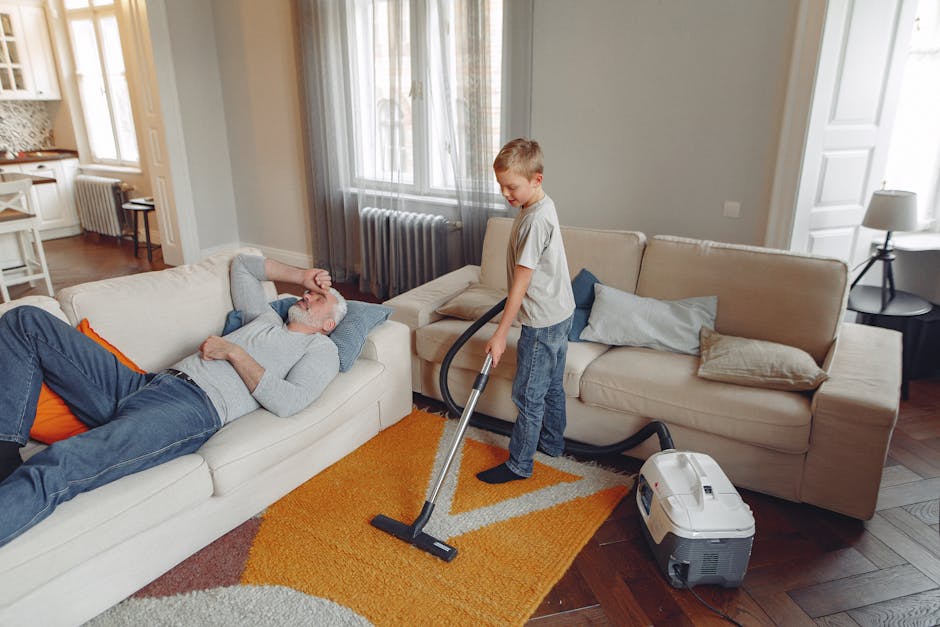
Yeading Brook upholstery cleaning for local families: a practical guide to cleaner, healthier home furniture
If you live near Yeading Brook and family life is busy, upholstery tends to show it first. Sofas collect crumbs, armchairs hold onto everyday odours, and dining chairs seem to attract every spill going. Yeading Brook upholstery cleaning for local families is really about more than making furniture look nicer for a day or two. It helps protect the fabrics you use every day, keeps rooms feeling fresher, and makes shared spaces more comfortable for everyone, from toddlers with sticky fingers to grandparents who prefer a spotless seat. In plain English, it is one of those home jobs that quietly pays you back.
In this guide, you will find a clear explanation of how upholstery cleaning works, what families should expect, which methods suit different fabrics, and the common mistakes that can turn a simple clean into an expensive lesson. We will also cover trust signals, practical checklists, and the kind of local decision-making that matters when you want the job done properly, not just quickly. Truth be told, upholstery can be a bit fussy sometimes.
Table of Contents
- Why Yeading Brook upholstery cleaning for local families Matters
- How Yeading Brook upholstery cleaning for local families Works
- Key Benefits and Practical Advantages
- Who This Is For and When It Makes Sense
- Step-by-Step Guidance
- Expert Tips for Better Results
- Common Mistakes to Avoid
- Tools, Resources and Recommendations
- Law, Compliance, Standards, or Best Practice
- Options, Methods, or Comparison Table
- Case Study or Real-World Example
- Practical Checklist
- Conclusion
- Frequently Asked Questions
Why Yeading Brook upholstery cleaning for local families Matters
Family homes work hard. That sounds obvious, but it is easy to forget how much pressure your upholstered furniture takes each week. Cushions are sat on, jumped on, leaned on, and occasionally used as a nap station, a snack station, and a hiding place for the TV remote. Fabrics absorb body oils, dust, pet hair, pollen, smoke residue, and the leftovers of daily life. If you wait too long, you can end up with a dull-looking sofa that smells a little tired, even if it still feels clean at first glance.
For local families around Yeading Brook, upholstery cleaning also matters because it helps create a more comfortable home environment between school runs, work, and the usual weekend chaos. When you have children or pets, regular upkeep is not just cosmetic. It is about reducing grime build-up, dealing with accidental stains before they settle, and keeping furniture in good condition for longer. Nobody wants to replace a perfectly usable sofa because a few neglected spills have done the damage.
There is also a hygiene angle. Upholstery is not the same as a hard surface you can wipe in seconds. Dust and debris sit inside fibres, and that can make rooms feel less fresh, especially in homes with allergies or sensitivities. A proper clean does not promise magic, but it can make a real difference to how a room feels when you walk in on a damp afternoon and notice that faint old-fabric smell has gone.
Another reason it matters: the right clean helps protect the fabric itself. Some stains, if left, can become permanent or weaken the fibres. A good cleaner will treat the material carefully and match the method to the upholstery rather than blasting everything with one approach. That is where real value lives.
Expert summary: For local families, upholstery cleaning is at its best when it balances appearance, hygiene, fabric care, and everyday practicality. A good result should leave your furniture cleaner, fresher, and safer to use, without making your home feel upside down for the day.
How Yeading Brook upholstery cleaning for local families Works
Most professional upholstery cleaning follows a fairly structured process, though the exact method depends on the item, the fabric, and the level of soiling. A reputable cleaner will usually begin with inspection. That means checking the material type, testing for colour fastness in a discreet spot, and identifying stains or problem areas. This step matters more than people think. A pale cotton blend behaves very differently from a textured synthetic or a delicate natural fibre.
Next comes pre-treatment. This can include dry vacuuming, spot treatment, and loosening trapped debris from seams and creases. You would be surprised how much grit sits under the cushions. Honestly, it is one of those things that feels slightly alarming the first time you see the machine pull it out.
After that, the cleaner chooses an appropriate cleaning method. Common options include hot water extraction, low-moisture cleaning, or careful hand treatment for delicate pieces. The aim is to lift dirt without over-wetting the fabric or leaving residue behind. In a family home, drying time matters too. Nobody wants the sofa out of action for two days if there is a simpler method that does the job properly.
Finally, the furniture is groomed, checked, and left to dry. Some jobs also include odour treatment or stain-specific work. A proper service should explain any limits before work begins, especially if a stain has already set or if the fabric has previous damage. Being realistic here is a good sign, not a bad one.
If you are already exploring wider home care, it can help to look at related services such as sofa cleaning, upholstery cleaning, and stain removal to understand how different treatments support each other. Families often need a mix, not just one isolated fix.
Key Benefits and Practical Advantages
One of the biggest benefits is visual. Clean upholstery simply makes a home feel more cared for. That does not sound revolutionary, but when your living room is the centre of family life, the difference is obvious. Colours look brighter. Textures look cleaner. The whole space feels less weighed down by everyday mess.
There is also a comfort benefit. A freshly cleaned sofa tends to feel better to sit on, especially when dust and fine debris have been removed from the fibres. If you have children who sprawl across the furniture after school, or if pets treat the arm of the sofa like a personal lookout point, this can make a noticeable difference.
Then there is fabric longevity. Regular professional cleaning can help slow wear caused by embedded dirt and accidental spills. Dirt particles act a bit like fine sandpaper over time, gradually breaking down fibres. The effect is slow, which is why people often do not notice it until a piece starts looking older than it should.
For families juggling busy routines, there is a mental benefit too. A clean living room can be oddly calming. You sit down in the evening, the room smells fresher, and you are not staring at yesterday's juice mark. Small win, but a real one.
- Cleaner appearance: removes surface grime and dullness.
- Better everyday comfort: helps furniture feel fresher to use.
- Odour reduction: useful for food smells, pets, and general family life.
- Longer fabric life: less embedded dirt means less wear over time.
- Improved home feel: the room can look and smell more inviting.
Who This Is For and When It Makes Sense
This service is ideal for families with busy living rooms, children, pets, or a mix of both. In many homes, upholstery cleaning makes sense after a few predictable moments: a drink spill that dried before anyone noticed, a muddy handprint after a park visit, or a stretch of rainy weather when damp coats and shoes bring extra mess indoors. London life, eh? It has a way of keeping furniture busy.
It is also sensible for households preparing for visitors, changing the season, or simply trying to reset the home after a long stretch of everyday use. If your sofa or chairs are looking a bit flat, faded, or slightly stale, that is usually the point when cleaning starts making more sense than patching around the problem.
Families with allergies or sensitivities often benefit from regular care too, although it is best to be careful with claims here. Cleaning can reduce visible dust and some trapped debris, but it is not a medical treatment. Still, many people notice that a cleaner room feels easier to live in, especially when windows have been shut for ages and the heating has been on.
You may also want upholstery cleaning if you are trying to support other household items at the same time. For example, a full living room refresh often pairs well with carpet cleaning or rug cleaning. That broader approach tends to make the room feel consistent rather than half-finished.
Step-by-Step Guidance
If you are arranging Yeading Brook upholstery cleaning for local families, it helps to know what the process should look like from start to finish. Here is a sensible version of the journey.
- Identify the item and fabric. Note whether it is a sofa, armchair, dining chair, footstool, or another upholstered piece. If you have the care label, keep it handy.
- Check the condition. Look for stains, loose stitching, worn areas, or fading. Mention anything suspicious before the cleaner starts.
- Ask about the method. A good provider should explain whether the fabric suits hot water extraction, low-moisture cleaning, or a more delicate approach.
- Prepare the room. Move small items, toys, blankets, and anything fragile nearby. A few minutes here saves time later.
- Vacuum first if advised. Removing loose dust and crumbs helps the deeper clean work better.
- Spot treatment comes next. The cleaner should treat stains according to the fabric and stain type rather than using a blanket approach.
- Allow proper drying time. Open windows if it is practical, keep children and pets off the furniture, and avoid sitting on it too soon.
- Inspect the result. Check the item in good light once dry. A professional job should look even, not patchy.
A small note here: if a cleaner promises that every stain will vanish completely, be a bit cautious. Some marks are old, heat-set, or chemically altered by previous DIY treatment. It is better to hear an honest answer than a confident one that turns out to be nonsense.
Expert Tips for Better Results
First, deal with spills quickly. Blot, do not rub. Rubbing pushes liquid deeper and can roughen the pile, especially on softer fabrics. It sounds simple, and it is, but in the moment people often panic and attack the stain with a cloth like they are trying to win a prize.
Second, always check the care label if there is one. Some upholstered items are far more delicate than they look. What seems like a standard family sofa may actually have fabric or construction details that need a gentler process.
Third, think in layers. If your sofa has food stains, pet odours, and years of background dust, one pass may not solve everything. A good result often comes from stain treatment, deodorising, and deep cleaning working together. That is why it makes sense to review related options such as pet stain odour removal if cats or dogs are part of the household picture.
Fourth, timing matters. Spring and early autumn are often easier for drying than cold, damp weather, though indoor heating can help when needed. If your home is busy during the week, a Friday clean can be practical because the furniture has the weekend to settle. Very useful, that.
Finally, choose a cleaner who explains limits clearly. That usually means they understand fabrics, not just machines.
Common Mistakes to Avoid
One of the most common mistakes is over-wetting the fabric with supermarket products or too much water. A sofa may look damp and fine at first, then develop rings, smells, or stiff patches as it dries. Not ideal. Sometimes the problem is not the stain, but the residue left behind.
Another frequent error is using the wrong cleaner for the fibre type. Delicate materials do not appreciate aggressive chemicals, and synthetic blends do not always respond like natural fabrics. If you are unsure, test first. Better a tiny hidden test than a visible disaster in the middle of the cushion.
People also forget to vacuum before spot cleaning. That sounds minor, but it matters because loose debris can muddy the stain and spread the mess around. Another classic mistake is sitting back down too soon. If upholstery is still damp, weight and friction can distort the pile or transfer dirt from clothes.
And then there is the "quick cover-up" habit. Scented sprays and fabric fresheners may mask odours for an hour, but they rarely solve the source. If anything, they can trap old smells in a layer of added fragrance. Nobody wants a sofa that smells like a florist argued with a sandwich.
- Do not scrub stains aggressively.
- Do not use too much liquid.
- Do not ignore care labels.
- Do not assume every fabric can be treated the same way.
- Do not use the furniture before it has dried properly.
Tools, Resources and Recommendations
For family homes, the most useful tools are often the simplest ones. A decent vacuum with an upholstery attachment, clean white cloths, a soft brush, and a small bowl of water for blotting can solve many minor issues before they settle. If you have children, keep these basics somewhere easy to reach. The first five minutes after a spill are often the most important.
For deeper care, professional equipment makes a real difference. Hot water extraction machines, low-moisture systems, and fabric-safe pre-sprays are all designed to lift dirt without damaging the item. The key is matching the tool to the task. Bigger is not always better, despite what the machine might hope.
When choosing a service provider, look for clear explanations, practical aftercare advice, and straightforward policies. It can help to review pages such as pricing and quotes, payment and security, and insurance and safety so you know what to expect before booking. Families tend to value clarity, and fairly so.
You may also find it reassuring to understand the business itself. A page like about us can be a good place to check how the company presents its experience and approach. It is not flashy, but it helps build trust.
Law, Compliance, Standards, or Best Practice
Upholstery cleaning is not usually a heavily regulated service in the way some specialist trades are, but responsible providers should still work to sensible UK standards and good practice. That includes using suitable cleaning chemistry, working safely in homes, and giving honest advice about fabric limitations, drying times, and stain outcomes.
For families, a few practical compliance-related points matter. If a cleaner works in your home, they should be able to explain their approach to health and safety, handle equipment responsibly, and avoid creating slipping or electrical risks. If children or pets are around, clear communication becomes even more important. Wet floors, cables, and open products are not things you want left to chance.
It is also sensible to look for transparent business policies. A company that publishes clear terms, privacy information, complaints handling, and sustainability notes tends to show its working rather than hiding behind vague language. You can review terms and conditions, privacy policy, complaints procedure, and recycling and sustainability for that broader sense of professionalism.
There is a simple best-practice rule worth remembering: the cleaner should protect the item, the room, and the people in it. If that balance is missing, the service is not really family-friendly, no matter how shiny the equipment looks.
Options, Methods, or Comparison Table
Different upholstery items need different methods. Here is a practical comparison to help families understand the usual options.
| Method | Best for | Strengths | Watch-outs |
|---|---|---|---|
| Hot water extraction | Durable sofas and heavily soiled upholstery | Strong deep-cleaning power, good for embedded dirt | Longer drying time, not ideal for every delicate fabric |
| Low-moisture cleaning | Routine maintenance and quicker turnaround | Faster drying, useful in busy homes | May be less effective on severe staining |
| Targeted spot treatment | Specific stains or localised marks | Focused, efficient, fabric-aware | Does not replace a full clean where dirt is widespread |
| Odour-focused treatment | Pet smells, food odours, stale fabric | Helps refresh the room, especially in shared spaces | Needs honest expectations; strong smells may need repeat work |
In practice, many homes need a combination rather than one perfect method. A family sofa might get deep cleaning on the main seating areas, spot work on the armrest, and odour treatment around the cushions. That mixed approach is often the most sensible one.
Case Study or Real-World Example
Here is a realistic family scenario. A busy household near Yeading Brook has a three-seater sofa in the living room, plus two fabric dining chairs that seem to attract every spill from after-school snacks. Over time, the sofa has picked up a faint smell from pets and a few old marks near the front edge, where everyone tends to sit. Nothing dramatic. Just everyday life, building up quietly.
The family decides to book a professional upholstery clean before guests arrive for a weekend birthday gathering. The cleaner inspects the sofa, identifies the fabric, and explains that one old stain may lighten rather than vanish completely. That honesty helps set expectations. After pre-treatment and cleaning, the sofa looks brighter, the fabric smells fresher, and the dining chairs no longer have that slightly sticky feel from forgotten spills.
What mattered most in this case was not perfection. It was a noticeable reset. The room felt more welcoming, the family felt less self-conscious about the furniture, and the job fit into the home without causing stress. That is the real value for most local families. Not a miracle. Just a proper, thoughtful clean that makes home life easier.
Practical Checklist
Use this checklist before booking or carrying out upholstery cleaning at home.
- Identify the upholstered item and note any loose seams, worn patches, or hidden damage.
- Check care labels where available.
- List the stains or odours you want addressed.
- Remove toys, cushions, throws, and small items from the area.
- Vacuum the item if recommended before cleaning.
- Ask what method will be used and how long drying may take.
- Clarify whether stain removal is guaranteed or whether improvement is more realistic.
- Keep children and pets away until the item is fully dry.
- Check the finish in daylight once the job is done.
- Plan light aftercare so the upholstery stays fresher for longer.
If you want a broader home refresh, it can also help to pair upholstery cleaning with steam carpet cleaning or curtain cleaning. That way the whole room gets the same level of attention, which is oddly satisfying. You notice it immediately.
Conclusion
Yeading Brook upholstery cleaning for local families is one of those home services that quietly does a lot of good. It improves how your furniture looks, helps remove everyday dirt and odours, and supports a more comfortable home without demanding a complete lifestyle overhaul. For busy families, that balance matters. You want something effective, sensible, and respectful of the way a real household works.
The best results usually come from a mix of good timing, honest expectations, and the right cleaning method for the fabric. Keep an eye on spills, avoid harsh DIY mistakes, and choose providers who explain what they are doing and why. That alone cuts out a lot of worry.
If your sofa, armchairs, or dining chairs are starting to look a bit tired, now is a good time to act rather than wait for the next stain to become the final straw. A fresh clean can change the feel of a room more than people expect.
Get a free quote today and see how much you can save.
And if nothing else, it is nice to sit down at the end of the day and know the sofa is working with you, not against you.
Frequently Asked Questions
How often should families in Yeading Brook clean upholstery?
It depends on how heavily the furniture is used. Busy family sofas often benefit from periodic professional cleaning, especially if there are children, pets, or regular food and drink use. A light maintenance routine between deeper cleans usually helps the most.
Is upholstery cleaning safe for children and pets?
It can be, provided the right products and methods are used and the furniture is left to dry properly before use. Families should always ask what is being applied and when it will be safe to sit on the item again.
Will upholstery cleaning remove every stain?
Not always. Some stains are old, set, or previously treated with the wrong products. A good cleaner should explain what can reasonably be improved and what may only lighten rather than disappear completely.
How long does upholstery take to dry?
Drying time varies with the cleaning method, fabric type, airflow, and room temperature. Low-moisture methods usually dry faster than deeper wet cleaning, but the exact time should be confirmed before the work begins.
Can I clean my sofa myself?
For small fresh marks, yes, careful blotting and mild fabric-safe cleaning can help. For bigger stains, odours, or delicate materials, a professional approach is often safer and less risky for the fabric.
What types of upholstery can be cleaned?
Most fabric upholstery can be cleaned in some form, but the correct method depends on the material. Sofas, armchairs, dining chairs, ottomans, and similar items are common candidates, provided the fabric is suitable for treatment.
Is upholstery cleaning worth it for older furniture?
Often, yes. Older furniture can still benefit if the frame and fabric are in decent condition. Cleaning may brighten the appearance, reduce odours, and make the item feel more usable again, even if it is not brand new.
What should I do before the cleaner arrives?
Clear small items from the area, vacuum if advised, and point out any stains or concerns. If you have a care label or previous cleaning history, keep that ready too. It saves time and avoids guesswork.
Does upholstery cleaning help with pet odours?
It can help a lot, especially when combined with targeted odour treatment. If the smell has soaked deep into the fabric or cushion filling, the cleaner may recommend a more specific approach rather than a simple surface clean.
How do I know if a company is trustworthy?
Look for clear communication, transparent policies, realistic promises, and sensible answers about fabric care. Pages covering business details, safety, terms, and complaints handling are often a good sign that the company takes the work seriously.
Can upholstery cleaning be combined with carpet cleaning?
Yes, and many families do exactly that. It often makes sense to clean the main seating area, nearby carpets, and sometimes rugs or curtains together so the whole room feels refreshed rather than only one part of it.
What is the biggest mistake families make with upholstery stains?
Usually rubbing too hard or waiting too long. Blotting early is much better than scrubbing late. The second-biggest mistake is trying a random product without checking whether the fabric can handle it. That one causes a fair few headaches.